Our Story

Seven generations at the loom

Kani is a small spool of Poshtul wood. Hama means village. Kanihama is the village of the kani, and our family's home.

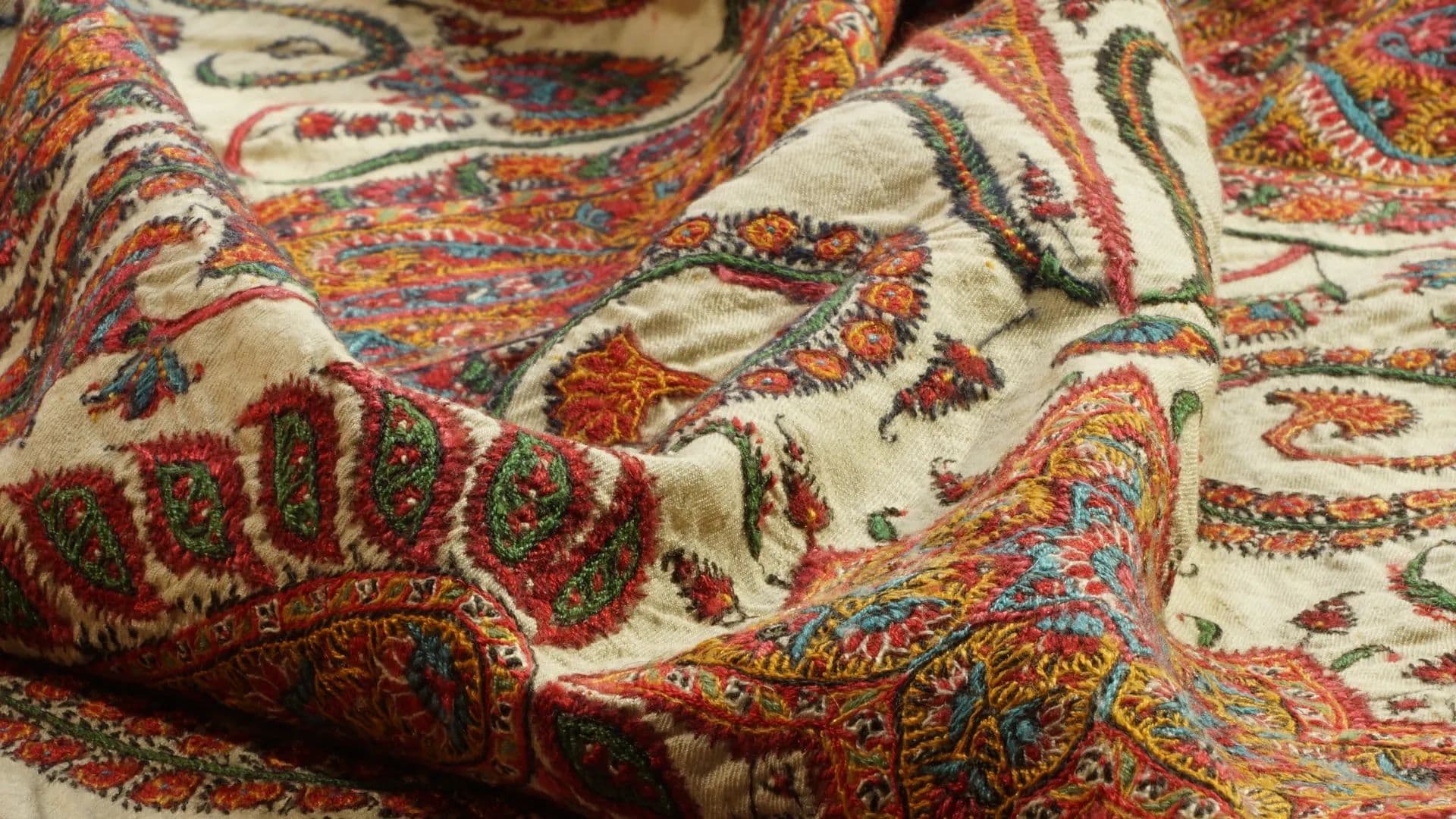
Richly patterned Kashmiri shawl
He sold a piece of his land to bring back a craft the valley had forgotten.The late Ghulam Mohammad Kanihama

Mirza Samad, our ancestor, began the family's Kani business in 1777. In the centuries that followed, heavy taxes, famine and bonded labour all but ended Kani weaving in Kashmir.

In the early 1960s our founder, the late Ghulam Mohammad Wani, known to all as Ghulam Mohammad Kanihama and a former member of the Legislative Assembly, revived it from the ancient designs and codes he had inherited. He trained twelve villagers for nearly five years in coding, designing, dyeing, warping and weaving, and by the early 1970s the first designs were back on the loom.

He went on to form a cooperative of 110 weavers that revived twelve ancient designs with the Ministry of Textiles, carried Kani to exhibitions around the world and placed looms in museums abroad. The village, once Gund Kawarhama, became Kanihama. Since 2001 his son, Sajad Ahmed Kanihama, has carried the work forward and made the shawls lighter than ever. Today, thirty-five ancient designs have been returned to the loom.

  1. 14th centuryvisits c. 1372–1383

    Shah-e-Hamdan

    Mir Sayed Ali Hamdani, revered as Shah-e-Hamdan, comes to Kashmir with some 700 followers. Among them are artisans who bring the crafts of Persia to the valley, laying the foundation for its weaving traditions.

  2. 1420–1470

    Zain-ul-Abideen

    Under the king remembered as Budshah, the crafts of Kashmir flourish.

  3. 16th century

    The first kani

    Nagaz Beg, steward of Mirza Haidar Dughlat, introduces the slender spool of coloured yarn that names the craft.

  4. 1586–1752

    Mughal patronage

    Akbar fills his wardrobe with Kani shawls, and the craft thrives under imperial patronage. By the mid-1700s, some 40,000 looms work in the valley.

  5. 1777

    Our family begins

    Mirza Samad founds the family’s Kani business.

  6. c. 1800

    The courts of Europe

    Empress Joséphine receives Kashmir shawls from Napoleon, and they become the height of European fashion for the next seventy years.

  7. 1846

    Treaty of Amritsar

    Maharaja Gulab Singh agrees to send the British a horse, twelve shawl goats and three pairs of Kashmir shawls each year.

  8. 1960s

    The revival

    Ghulam Mohammad Kanihama trains twelve villagers and brings the first designs back to the loom. He later founds the Kanihama Guli-e-Annar weavers’ cooperative.

  9. 2001

    Sajad Ahmed Kanihama

    Revives antique designs and develops a lighter weave.

  10. 2008

    Geographical Indication

    Kani shawls receive GI status, protecting the name for shawls woven in the Kanihama region.

  11. 2020

    Craft Tourism Village

    Kanihama is selected for development as a Handloom Village, later the Kanihama Craft Tourism Village.

NextAccolades